How to decorate with flowers for your mother’s day celebration?

Flowers are a symbol of positivity and affection, making them one of the most suitable gifts to honor mom on Mother’s Day. To ensure that this occasion is one she will never forget, decorate with flowers for mom’s special day. Here are a few clever ways you can use flowers as decoration on Mother’s Day:

  • Floral Wreath: If you want to make an impact before mom even steps foot inside, create a wreath out of seasonal florals and hang it on the front door. This way, she is greeted by blooms on arrival and the wreath can be easily gifted to mom after the celebration is over.
  • Table Décor: Nothing dresses up a boring old table like a table runner that incorporates a mix of vibrant greenery and fresh flowers. While you could always go the standard route and put a nice vase of flowers in the middle of the table, it often interferes with the conversation for those who are sitting across from one another.
  • Ditch the Vase: While there’s nothing wrong with a traditional vase, there are also so many other interesting alternatives you can use to hold your flowers. For instance, use clear mason jars to show off the green stems and arrange them on a platter featuring votive candles. Or, you can use a rustic watering can which also makes a great statement piece.
  • Floral Typography: An easy way to add a personal touch for mom’s special day is to create a floral typography display. Trace the word or letters you want onto cardboard and fill the letters in using flowers to create a unique focal point.
  • Create a Floral Wall: Nothing will get your floral Mother’s Day theme across like a fresh floral wall. Not only are these absolutely gorgeous but they can show off all the work you’ve put into creating a memorable day for mom. Plus, they make an excellent backdrop for all those photos you’ll take with the family and most importantly, your mom.

Read more: https://terraplantsandflowers.ca/blogs/news/help-mom-feel-special-with-mother-s-day-flowers-from-your-favourite-ottawa-florist

Why flowers for dad are a popular father’s day gift idea?

Father’s Day, giving the gift of flowers is a great way to celebrate the man who has been your mentor and constant companion since the day you were born. Even though women traditionally take more of an interest in plants and flowers, here are a few reasons why we are sure dad would love to get them just as much too:

  • Flowers Bring Joy: Your dad deserves a gift that will bring him joy and flowers are just the thing that will do so. If your dad is more of the practical type and wouldn’t enjoy something that doesn’t last forever, consider getting him a fresh plant instead. A plant can last a long time with proper care and he will always think of you when he looks at it.
  • Flowers are Unexpected: Dads typically expect the usual gifts on Father’s Day, so it’s a great opportunity to think outside the box and give dad something a little different this year. It’s likely he will welcome the nice surprise.
  • Flowers Convey a Special Message: Each type of flower holds a special meaning and they are the perfect way to tell dad how you feel. For instance, red roses are the flowers of love, gladiolus represent strength of character and to never give up, while delphinium stand for fun and lightheartedness.

Read more here: https://terraplantsandflowers.ca/blogs/news/put-a-smile-on-dad-s-face-with-father-s-day-flowers

INDOOR PET-FRIENDLY PLANTS TO ADORN YOUR OTTAWA HOME

“Sparky meet Ralph, our newest plant and family member, and remember, don’t eat him.”   

If you’re like many pet parents, then you more than likely understand the joy — and stress — that can accompany the introduction of a new plant into your home. Caring for both plants and pets can be a tricky situation when you realize how dangerous some of your favorite plant babies may be to your four-legged friends. As scary as it may be to think about what could happen when bringing a plant into your home, don’t worry, as there are hundreds of indoor plants that are safe to keep around pets.   

HINDU ROPE PLANT  

The Hoya carnosa is a beautiful plant that, in addition to its gorgeous foliage, is completely safe to keep around pets! Also known as the Hindu Rope Plant for its twisty, rope-like vines, this plant thrives in medium to bright light and drying out between watering.  

SPIDER PLANT  

The Spider Plant (Chlorophytum comosum) has been one of the most common house plants in the world for decades. This beginner-friendly plant only needs moderate light and moisture to produce flowers and baby plants with little to no effort. The fact that it’s non-toxic is a huge bonus. 

PRAYER PLANT  

Maranta leuconeura gets its common name, the Prayer Plant, from the way that its leaves fold at night like two hands praying. Its striking green and pink leaves and love of lots of moisture have made it an extremely popular plant in recent years.  

MONEY TREE  

If you are looking for a sweet little tree to bring into your home and your pet’s life, then the Money Tree is the one for you. The Pachira aquatica loves being watered often, making it nearly indestructible. Plus, a happy Money Tree supposedly brings good luck!  

AIR PLANT   

Have you ever heard of a plant that doesn’t need soil to survive? That’s exactly what the Air Plant (Tillandsia xerographica) is, hence its name! While this indoor plant is pet-safe, it can look like giant cat toys, so put it in an Air Plant hanger somewhere with bright light.   

FIND THE PERFECT INDOOR PLANTS THAT ARE SAFE FOR PETS   

We’ve simply highlighted five varieties to get you started, but this is certainly not an exhaustive list. Terra Plants and Flowers offers a vast assortment of pet-friendly indoor plants — proving that it is more than possible to open your heart to care for pets and potted pals, all under the same roof! Explore our huge collection of indoor plants and order online today.

THE BEST FLOWERS FOR THE FALL SEASON

When you think of flowers, it’s common to think offspring time. Despite that season being long over, it’s time to make way for the rich and vibrant late-bloomers of fall. Whether you’re looking for a fall floral arrangement for a special occasion, to send to a loved one or to simply decorate your home with, we carry a huge selection of bouquets that are guaranteed to satisfy your personal taste and style. Our fall arrangements reflect the warm autumn colours and are a perfect way to bring the crisp outdoors into your home. 

Original Source: https://terraplantsandflowers.ca/blogs/news/the-best-flowers-for-the-fall-season

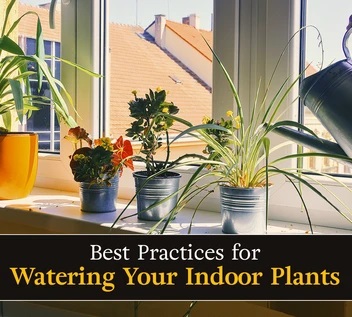
Best practices for watering your indoor plants

There are so many benefits to having houseplants. From removing pollutants to decreasing feelings of stress, increasing focus and encouraging creativity, indoor plants are more than just a simple element of home decor. In order to enjoy all the benefits of houseplants, it is crucial that you know how to properly take care of them. For instance, understanding that you have to water them should be a no-brainer. Nevertheless, knowing how much water to give them and how often it should be done can prove to be a little trickier to figure out.

When you water your houseplants correctly, they receive the minerals and structural support necessary for them to grow and thrive. In reality, there are many variables at play that can make it challenging to know what exactly your plants need. However, identifying what your individual plant needs are, is ultimately the key to master the art of watering.

HOW OFTEN SHOULD HOUSE PLANTS BE WATERED?

One of the most important things to remember when it comes to watering houseplants is that not all plants require the same amount. Some plants like philodendrons are guzzlers, while others such as cacti and succulents don’t need to be watered for days or even weeks. While most houseplants fall somewhere in the middle, it is important to conduct your own research to see where your species of houseplants falls on the water spectrum.

Here are some other variables you should consider to help you determine how often to water your plants:

  • Potting vessel
  • Sun exposure
  • Temperature
  • Humidity
  • Time of year
  • Hanging vs. sitting plants

HOW TO WATER HOUSEPLANTS

The best way to learn when and how to water your houseplants is to become familiar with them. Don’t be afraid to use your fingers to check the moisture of the soil. If you stick your finger an inch into the soil and it feels dry, it’s time to water. If it still feels damp, check back in a day or two. For smaller plants, judging the weight of your potted plant can also be an effective indicator of when you need to give your plants a drink.

Original Post: https://terraplantsandflowers.ca/blogs/news/best-practices-for-watering-your-indoor-plants

If you want to learn more about how to water your houseplants, here are a few simple steps you can follow:

  • Time of Day: Watering your houseplants in the morning is preferable to watering them in the evening. If you accidentally get water on your plant while watering, the excess moisture has a better chance of drying and evaporating faster during the day when the temperatures are warmer. If water remains on the surface of the leaves, there is a higher risk of disease forming.
  • Water from Above: Water your plants evenly and thoroughly. Fully soak the soil while avoiding getting water on the plant leaves. Continue to water until the water begins to pour out of the drainage hole. If your pot is sitting on a saucer, you need to discard any stagnant water after about 10 minutes or your plant roots may begin to rot.
  • Water from Below:Another option for watering houseplants is to fill the saucer that sits under your pot with water. In a few minutes, the soil will soak up the water through the drainage holes. Continue filling the saucer until the water is no longer being absorbed and then discard the extra. This watering method is ideal for houseplants like African violets that don’t like wetness near their stems.

HOW CAN YOU FIX AN OVER WATERED PLANT?

Typically, it is fairly easy to determine when you need to water your houseplants. You may notice that the leaves are wilted and the soil will be dry. However, if you overcompensate for your lack of watering, there’s a good chance that this will also do more harm than good. It is possible to literally drown your plants by constantly keeping the soil wet. While your plants need water to grow, they also need oxygen. Over watering your plants can make it difficult for air to reach the roots, blocking your plants from receiving the nutrients they need to stay alive.

Fortunately, your plants can bounce back, even if you think you’ve been over watering them. Here are two simple ways to fix an over watered houseplant:

  • Let the soil dry out before watering your plant again.
  • Trim off dead or rotting roots and re-pot your plant with fresh soil.

Once you’ve revived your houseplants, it’s important to start following our recommended watering techniques as outlined above to ensure your plants receive the right amount of water every time. If you need to replace your houseplants or simply want to add to your collection, find a great selection of plants for your home or office at Terra Plants & Flowers

Indoor Plants that Clean the Air and Remove Toxins

Houseplants liven up your home décor, but they don’t just exist to look good; rather, they serve several important functions in our day to day lives. They have the powerful ability to alter how we feel both mentally and physically by encouraging creativity and productivity, while also reducing feelings of stress and fatigue.

Certain air purifying plants can improve the air quality in your home by absorbing harmful toxins in addition to maintaining the right humidity levels and producing oxygen. Factors such as humidity and oxygen play a huge role in determining our overall health. When humidity levels are outside the optimum range, you may be more susceptible to viral infections and other diseases. Additionally, an increased oxygen level will refresh the air which can help you fight off certain illnesses.

If most of your time is spent indoors, one of your top priorities should be maintaining a healthy air quality. One of the simplest ways to improve your air quality at home or in the office is by investing in a few indoor plants. While indoor plants are not a substitute for commercial air purifiers, they are certainly a more natural, therapeutic and cost-effective alternative.

DO PLANTS IMPROVE AIR QUALITY?

Thanks to a study conducted by NASA in 1989, houseplants were proven to clean the air in enclosed environments. Further studies have also shown that plants are responsible for removing pollutants like formaldehyde and carbon monoxide from the air we breathe.

TOP 5 AIR PURIFYING INDOOR PLANTS

Depending on your environment, some plants are better than others at eliminating toxic substances from the air. Learn more about our top five air purifying indoor plant species below:

  1. Spider Plant: Not only are these plants aesthetically pleasing but they are also extremely resilient and easy for homeowners to look after. Spider plants require water 2-3 times a week and can grow in indirect sunlight, making them very easy to manage if you are a beginner. They can remove various toxins such as formaldehyde and xylene from the air.
  2. Snake Plant: This low-maintenance, tropical plant is a great option for beginners who don’t have much of a green thumb. They can withstand fluctuating light and temperature changes and don’t require much water as they prefer drier conditions. Snake plants can filter out a number of pollutants, including formaldehyde, benzene, xylene and more.
  3. Peace Lily: The peace lily features elegant white, leaf-like flowers and is a perfect plant to grow and keep indoors. This plant can remove pollutants from the air such as formaldehyde, benzene, trichloroethylene and carbon monoxide. Peace Lilies can thrive on very little water but require a lot of sunlight for their flowers to bloom. Tip: After handling the plant, wash your hands as it can cause some mild skin irritations.
  4. English Ivy: This beautiful plant is an excellent option for removing harmful chemicals such as formaldehyde, benzene, carbon monoxide and more from your home or workplace. English ivy can survive for many years and is easy to manage. It can grow in the sun or shade but requires generous watering during its growth phase.
  5. Aloe Vera: This tropical plant offers many healing properties and can be easily grown at home. While Aloe Vera thrives on plenty of sunlight, it can also survive prolonged periods without direct exposure. Allow the soil to dry between watering to avoid overwatering this succulent. In addition to its healing properties, aloe can also purify the air by eliminating formaldehyde and benzene.

If you live in Ottawa or the surrounding area, you can find all these air purifying plants and more at Terra Plants & Flowers.

BENEFITS OF AIR PURIFYING PLANTS

In addition to purifying the air, indoor plants have also been proven to offer several other beneficial effects in both our work and living environments. Some of these benefits include:

● Boost morale and positive feelings

● Reduce feelings of anger, anxiety and sadness

● Improve concentration

● Provide warmth to sterile office interiors and reduce noise levels

● Encourage people to occupy rooms where there are plants

Originally Posted on Terra Plants

(https://terraplantsandflowers.ca/blogs/news/indoor-plants-that-clean-the-air-and-remove-toxins)

Basic methods of flower arrangement

One of the joys of flower arranging is the freedom to unleash your creative spirit. Arranging flowers like a professional takes practice but by learning a few simple techniques, you can work towards mastering the art.

What are the Methods of Flower Arranging?

Do you want to learn how to design a floral bouquet that will win over your guests and loved ones?

Here are some methods to get you started:

Select Your Materials: The first step is to select the flowers and the type of vase you want to hold them in. Try to select blooms that are in season as they are less expensive and will usually be an appropriate choice for that time of year.

Prep Your Flowers: Rinse out your vase to prevent bacteria growth. Next, prepare your flowers by cutting the stems at a roughly 45-degree angle depending on the height you want them to sit at in your container. Next, take off any leaves that are immersed in water.
Start from the Centre: Place larger bulbs in the middle and smaller flowers around the perimeter. Flowers along the perimeter should be cut shorter than the flowers in the middle to create a nice shape. If you are using more than one type of flower, add in each type in odd numbers.
Examine Your Work: Flower arranging is a creative process that takes time and patience. Once you are happy with your work, take a step back and look at it from all angles. If you notice any empty spots, try filling them in with greenery to create a balanced look.
Secure Your Flowers: If you are satisfied with your bouquet, the final step is to secure it in place. Wrap floral tape or a rubber band around the middle of your stems to ensure that they hold their shape in the vase.

Do you live in the Greater Ottawa Area and need a one-of-a-kind flower arrangement? The floral experts at Terra Plants and Flowers can design and create bouquets for any occasion. From birthdays to anniversaries and more, we specialize in making all of life’s moments a little extra special and can deliver right to your door. 

Originally Posted on Terra Plants

What are some flower arrangement techniques?

Arranging flowers is a fun and creative process.  One of the best ways to determine how you want to arrange your flowers is to select a design that appeals to you and focus on recreating it with the materials you have. While it requires a little knowledge, artistic ability and practice, putting together a stylish and cohesive floral arrangement that has serious lasting power, may be easier than you think. With a few simple tips and tricks, you can arrange your flowers like the pros.

1. How to Make a Flower Arrangement

Making a successful flower arrangement is as much a structural puzzle as it is a stylistic one. While there’s no wrong way to make a flower arrangement, there are several helpful techniques you can use to make yours look like it was put together by a professional.

-How Long Do Flower Arrangements Last?

– Generally speaking, flower arrangements can last from 1 week up to slightly over 2 weeks depending on the type of flowers and how they are kept.

2. Flower Arrangement Tips

When it comes to putting together a floral arrangement, it is often helpful to let spontaneity and emotion lead the way. If you start by worrying about technique and the end result, you may end up making what could be a pleasant experience a more challenging one. With only a few simple styling and technical tricks, you can become a floral arrangement expert in no time.

3. Step by Step Flower Arrangement for Beginners

If you are still feeling a little overwhelmed, you’ll find it useful to follow a step by step guide to help you bring your arrangement from the ideas phase to realization. By following these basic steps, you will be able to produce eye-catching pieces that are sure to put a smile on a loved one’s face or steal all the attention at your next get-together.

Originally Posted on Terra Plants

What are the different types of flower arrangements?

Flower arranging is a unique art form that takes skill, patience and a lot of creativity. Flowers are beautiful on their own but their beauty can be easily enhanced with the right artistic arrangement. Using flowers, foliage and other accessories, you can craft an arrangement that creates the perfect ambiance for any occasion. A few freshly cut flowers sitting on your kitchen table can be equally as important in their own way as an elaborate arrangement for a special occasion. Depending on the type of setting and purpose, there are several styles of flower arrangements that you can get creative with. Explore each type of arrangement below. 

1. How to Make a Vertical Flower Arrangement

An undisputed classic, the vertical flower arrangement may seem easy at first, but poor choices in flower types or the wrong vase can spell disaster. Carefully choosing all of the elements that go into creating a vertical arrangement and knowing how to assemble them will make all the difference.

2. How to Make a Horizontal Flower Arrangement

An unconventional and bold centerpiece, the horizontal flower arrangement is a technically demanding but also extremely rewarding showstopper which is sure to impress. If a horizontal arrangement isn’t interesting enough, try mixing tropical materials with more traditional flowers to create a visually stunning and interesting design.

3. How to Make a Triangular Flower Arrangement

While nontraditional in every sense, there will always be a place in any room or at any event for a well-made triangular flower arrangement. Much like the vertical arrangement, careful choice of flower and foliage along with a stable base will keep this centerpiece looking fresh and stylish at all times.

Originally Posted on Terra Plants

What is a flower arrangement?

For as long as we’ve been picking flowers, arranging them into beautiful bouquets has been an art. There are many different ways to combine flowers based on colour, style and the mood you want to convey. Are you telling someone how much you love them or sending condolences for a tragic loss? These kinds of questions make all the difference when it comes to crafting a purposeful and appropriate floral arrangement.

1. The Importance of Flower Arrangements

In the Victorian era, there was a coded language associated to different types of flowers, each with their own significance. Presenting the wrong ones could be a great insult and the right ones, a social victory. Even though we don’t follow the same strict rules anymore, there are most certainly the wrong flowers for an occasion and the right ones. Knowing your audience and setting helps to accentuate the qualities you want to reflect and in turn, make the strongest statement.

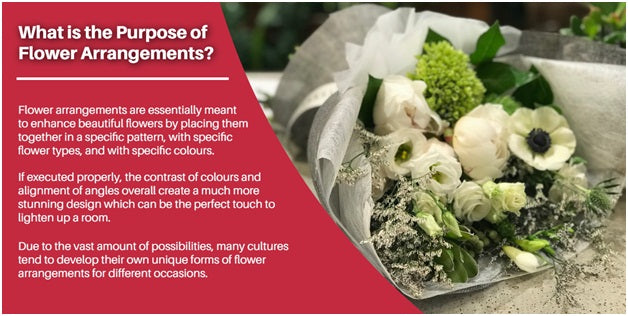
What is the purpose of Flower Arrangements? | Terra Plants & Flowers

2. Basic Rules of Flower Arranging

While everyone’s personal tastes are different, there are a few fundamental rules for creating the most effective floral arrangements. Make the most of your blossoms by taking into consideration things like balance, scale, colour pattern, orientation and more.

Why does balance matter for floral designs? | Terra Plants & Flowers

3. Methods of Flower Arrangement

There are numerous methods of floral arrangement. Depending on what type of look you want to project, you can either trim and prune your flowers for a balanced and sophisticated look or go for something more organic by leaving things a little rustic and asymmetrical.

Why do proportion and scale matter? | Terra Plants & Flowers

Whether you realize it or not, these style choices make their own statements and will ultimately demonstrate dramatically different effects.

Originally Posted on Terra Plants

Design a site like this with WordPress.com
Get started